Featured
Table of Contents
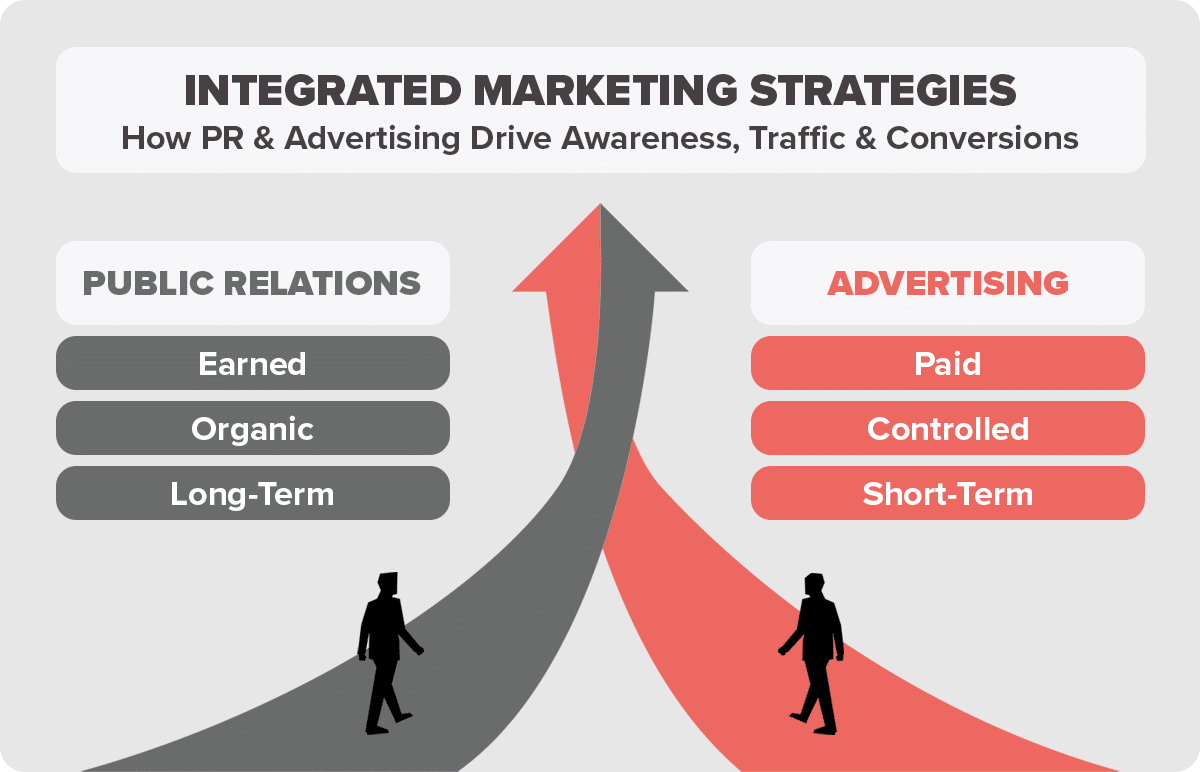
Not just can you expand your brand name awareness campaigns, however you can increase the reliability of your brand too. Here are some of the other advantages of building and preserving strong media relations: A strong media relations method can benefit both press reporters and organisations who want to publicise their interactions to the world.
Third-party validation for any stories you produce boosts your trustworthiness and therefore builds trust with the general public. A strong media relations project will get your organization published on a range of channels. If your business appears on channels such radio or a popular site, for example, you can reach millions of individuals.
How SEO Influences Modern PR and ROIThe combination of awareness and trustworthiness will produce made media chances that will drive lead generation. When made media opportunities are broadcast to consumers, it encourages story sharing and engagement. These are all tactics that can drive lead generation. To create, develop and keep beneficial relationships with the media, a media relations supervisor must provide an efficient technique.
Here are some of the most effective methods to build your media relations technique: Pitching to the ideal media contact is an important part of acquiring press protection. You'll require to understand which news outlets would be best fit to the sort of story you're producing. If you have a fitness product, you need to target a health editor, rather than a politics editor.
How to Evaluate SEO Impact in 2025
Spending as much time as possible investigating the appropriate press reporter for your story will make your pitches more effective. A big part of efficient media relations is comprehending the sort of material a journalist produces and releases. A media list is likewise referred to as a press list. It's efficiently a contact list including information about journalists who would be interested in covering your newspaper article.
Research contact information, beats, titles and any stories that a specific press reporter might have published formerly. This data will help to make sure you're getting the ideal media support for your target audience.
It is very important to discover relevant stories and occasions that are going to resonate with the journalists you're pitching to. Anything you have to state that's fresh, various, amazing and of benefit to your brand name will help you gain traction. If you're writing a news release, remember to cover the five fundamental questions a news release should cover.
To develop and preserve media relations, you ought to believe in regards to media relevance, not just company significance. For example, you may have moved your workplace to a brand-new location. This sort of story would be excellent on your news and events page on your site. It wouldn't necessarily be exciting for the media.
Press releases and relevant communications are sent to reporters at a shocking rate by those competing for attention. Each journalist you write to need to be provided a distinct pitch that's tailored to them. Reporters say that lack of personalisation is the number one reason an otherwise relevant pitch is rejected.
Why GEO Reshapes Brand Visibility
With journalists getting more pitches than they can possibly read, it's essential to capture their attention from the start. Once a reporter chooses to publish your story, ensure you thank them. Putting in the time to develop a strong relationship with reporters will pay off effectively in the long run.
Contact us to discover out how we can develop a powerful media technique for your business.
You can turn around your situation by mastering media relations. A press or news page, typically called a "Press Space" or "Media Center," is a devoted area on your company's website.
How Future of Global Strategy By 2026
This page provides reporters, bloggers, and other media specialists simple access to your company's essential information. Producing this page and putting it in an easy-to-spot put on your website lets media experts quickly see your press releases and other newsworthy content. That stated, here are some important suggestions to think about before your press/news page goes live: Always upload news release in Word format (and never ever as PDFs) to make them easy for reporters to copy.
Doing so makes it simpler for the media to cover your stories accurately. The possibility that your audience is on social media is exceptionally high.
This significant portion highlights the huge reach of social media platforms and highlights the significance of having a social media existence. Social network lets you share news and updates to a much larger audience, increasing the possibilities of reporters seeing them. The viral capacity of a well-crafted press release or media statement on social media is rather high, which, again, increases the opportunities of coverage by the media.
If your brand name gets any media coverage, share it on social media and other owned media to bring in the attention of other media characters. Envision your business is launching a brand-new environment-friendly product to lower home plastic waste. You want to get media protection to build awareness and drive sales.
The release gets lost in the flood of other submissions, and no specific reporter is advocating for your story. The publication may not prioritize your news and may never get released. On the other hand, your competitor identifies a particular journalist who writes thoroughly about sustainability and environmentally friendly innovations for the exact same publication.
Best Practices for Online Reputation Management
They point out how their product addresses a gap she has actually kept in mind in her protection and provide an exclusive interview with their CEO. Outcome? The journalist is interested by the targeted pitch and chooses to cover your competitor's product due to the fact that it is appropriate and resonates with her audience. This is precisely how pitching to journalists instead of publications works.
Preparing for your pitch is critical to guaranteeing a favorable action and optimizing your chances of media protection. Identify and research a specific reporter to understand their beat and audience. This will help you tailor your pitch to the reporter's interests, making it more relevant and engaging. Then, craft a concise and clear message, highlighting the relevant elements of your story and why it matters to their audience.
Finally, practice your pitch to ensure you can deliver it with confidence and plainly, whether it's through e-mail, phone, or in-person conferences. Consist of a contact that the press can reach if they have questions. This contact needs to not be a bot however someone on your PR or marketing group who can address questions immediately and factually.
They might experience breakdowns and not intensify journalists' inquiries on time, which is detrimental throughout a crisis. On the other hand, genuine individuals have the individual touch bots do not have. They can easily construct individual relationships with reporters and handle delicate info skillfully, increasing your brand's trust and reliability.

Latest Posts
Emerging Insights Shaping Media Relations for 2026
Building Corporate Reputation in An AI World
Transforming Details into Entity-Driven Assets for NC